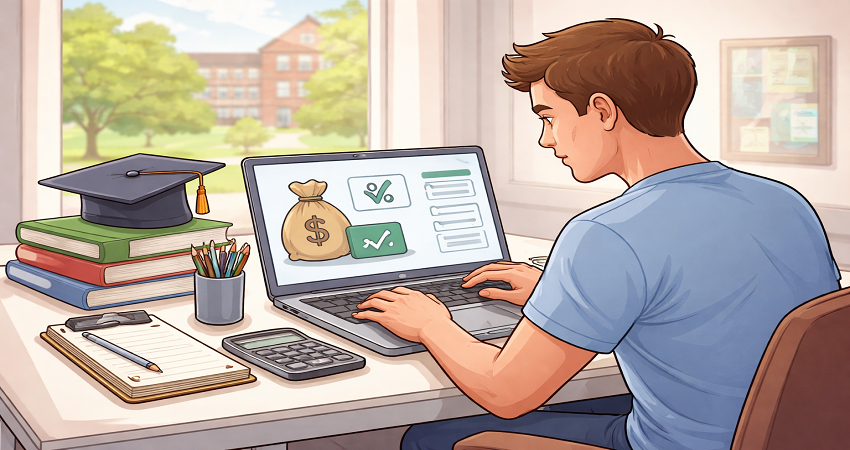
Best Private Student Loans 2026: Comparing Low Interest Rates And Flexible Repayment Options

Paying for higher education has become increasingly challenging, especially as tuition fees continue to rise globally. While scholarships, grants, and federal student loans can help cover a portion of the costs, many students still face a significant funding gap.
This is where private student loans come into play. In 2026, the private student loan market has evolved significantly, offering borrowers more competitive interest rates and flexible repayment plans than ever before. However, choosing the best loan is not a simple task.
With multiple lenders offering different interest structures, repayment options, and borrower protections, making the right decision requires careful comparison. Understanding how these loans work, what features matter most, and how to evaluate lenders can save you thousands of dollars over time.
This guide will help you explore the best private student loans in 2026 by comparing low interest rates, flexible repayment options, and borrower-friendly features. Whether you are a student or a parent, this article provides the clarity needed for a smart financial decision.
🔥 Don’t Miss These Opportunities


What Are Private Student Loans?
Private student loans are education loans offered by private financial institutions such as banks, credit unions, and specialized online lenders. Unlike federal student loans, these are not funded by the government and usually require a thorough credit check.
In many cases, students who lack an extensive credit history need a co-signer—often a parent or guardian—to qualify for the most competitive interest rates. These loans cover tuition, housing, books, and other related expenses, but their terms vary widely depending on the lender’s policies.
Why Consider Private Student Loans in 2026?
In 2026, private lenders are offering more competitive features due to increasing demand and digital innovation. Many lenders now provide customizable repayment plans, interest rate discounts, and faster approval processes through AI-driven underwriting. Students who have exhausted their federal loan limits or need additional funding often turn to private loans to bridge the gap.
Additionally, borrowers with strong credit profiles can sometimes secure lower interest rates than certain federal PLUS loan options.
Key Features to Compare in Private Student Loans
Interest Rates (Fixed vs. Variable)
Interest rates are the most critical factor. Fixed rates remain constant throughout the loan term, providing predictable monthly payments. Variable rates may start lower but can fluctuate over time based on market conditions (such as SOFR or Prime rates). Borrowers who prefer stability often choose fixed rates, while those aiming for short-term savings may consider variable options if they plan to pay off the loan quickly.
Repayment Flexibility
Modern lenders in 2026 offer a range of repayment options, including deferred payments, interest-only payments while in school, and immediate repayment plans. Some lenders also allow you to choose your repayment term, typically ranging from 5 to 20 years. Flexible repayment options help reduce financial stress during the early stages of a career when income might be lower.
Loan Limits and Eligibility
Different lenders offer varying loan limits based on the school’s cost of attendance and your creditworthiness. Some cover up to 100% of the cost of attendance, while others have strict annual caps. Eligibility criteria often include a minimum credit score (usually 660+), stable income, and U.S. citizenship or residency for most domestic lenders.
Fees and Autopay Discounts
Many top-tier private lenders have eliminated origination, application, and prepayment fees in 2026. Furthermore, most lenders provide a 0.25% interest rate reduction if you sign up for automatic monthly payments. This small discount can lead to significant savings over the life of a 10-year loan.
Top Private Student Loan Providers in 2026
- Online Lenders: Companies like SoFi, Earnest, and Credible have gained massive popularity due to their user-friendly platforms and lightning-fast approval processes. They often provide the most competitive rates for high-credit borrowers and offer unique perks like career coaching.
- Traditional Banks: Institutions like Citizens Bank and Discover remain reliable options. They offer stability and established customer support. Borrowers with existing accounts may receive loyalty discounts or bundled financial services.
- Credit Unions: member-owned organizations often provide lower interest rates and personalized service. While membership is required, the long-term benefits of lower APRs make them a favorite for local students.
How to Qualify for the Best Rates?
Securing a low interest rate is essential to reducing the overall cost of debt. Lenders look at several factors:
- Credit Score: Higher scores always yield lower rates.
- Co-signer: Applying with a creditworthy co-signer is the #1 way for students to get approved.
- Stable Career Path: Some lenders consider your major and future earning potential.
You May Like: Is An Executive MBA Roi Worth It?
Pros and Cons of Private Student Loans
| Advantages | Disadvantages |
|---|---|
| High borrowing limits (up to 100% cost) | Requires a strong credit score or co-signer |
| Competitive rates for good credit profiles | No income-driven repayment plans (standard) |
| Fast application and disbursement | No Public Service Loan Forgiveness (PSLF) |
FAQs About Best Private Student Loans 2026
1. What is the difference between federal and private loans?
Federal loans are government-funded with fixed protections, while private loans are commercially funded with terms based on credit history.
2. Can I get a private loan without a co-signer?
Yes, but you usually need a strong credit history and a steady income of your own to qualify for decent rates.
3. Is there a penalty for early repayment?
No, most reputable lenders in 2026 allow you to pay off your balance early without any extra fees.
4. Can international students apply?
Yes, but most U.S. lenders will require a U.S.-based co-signer who is a citizen or permanent resident.
5. How long does the approval process take?
Online lenders often provide an initial decision in minutes, with full funding happening in as little as 3–5 business days.
Conclusion
Choosing the best private student loans in 2026 requires careful research and thoughtful comparison. With a wide range of lenders offering competitive interest rates and flexible repayment options, borrowers have more choices than ever before.
By understanding key features, evaluating your financial situation, and selecting a loan that aligns with your long-term goals, you can fund your education without creating unnecessary financial stress. Remember to always exhaust federal aid and scholarship options first before turning to private debt.
Disclaimer: This article is for informational purposes only and does not constitute financial advice. Interest rates and terms are subject to change based on lender policies and market conditions.