Student Loan Forgiveness Programs: Everything You Need To Know And How To Apply Successfully

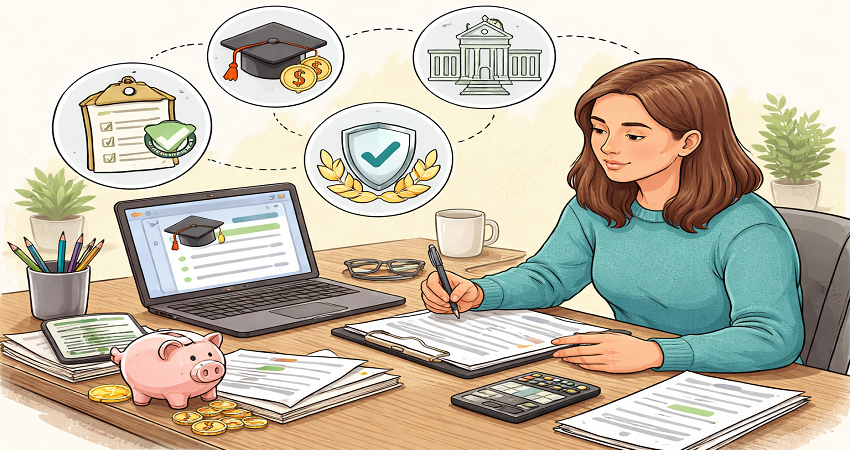
Student loan debt has become a major financial concern for millions of people worldwide. Whether you are a recent graduate or someone who has been repaying loans for years, the burden of student debt can significantly impact your financial stability, career choices, and long-term goals.
This is where student loan forgiveness programs come into play, offering hope and potential relief to eligible borrowers who meet specific criteria.
Student loan forgiveness programs are designed to reduce or eliminate a portion—or even all—of your student loan debt under specific conditions. These programs are often tied to public service, income levels, or specialized repayment plans.
However, understanding how they work, who qualifies, and how to apply successfully can be complex. In this comprehensive guide, we will break down everything you need to know about student loan debt relief in 2026.
🔥 Don’t Miss These Opportunities


What Are Student Loan Forgiveness Programs?
Student loan forgiveness programs are government-backed or institution-specific initiatives that allow borrowers to have part or all of their student loan debt forgiven. This typically occurs after meeting certain conditions, such as working in a public service job, making a set number of qualifying payments, or qualifying under Income-Driven Repayment (IDR) plans.
These programs are especially beneficial for individuals in essential but lower-paying professions, such as teachers, nurses, and nonprofit employees.
Types of Student Loan Forgiveness Programs and Timelines
There are several types of forgiveness programs available. Choosing the right one depends on your profession and loan type. Below is a comparison of the most popular programs:
| Program Name | Eligibility Focus | Payment Timeline |
|---|---|---|
| Public Service (PSLF) | Nonprofit & Government workers | 120 Monthly Payments (10 Years) |
| Teacher Forgiveness | Teachers in Title I Schools | 5 Consecutive Years |
| Income-Driven (IDR) | All Federal Direct Borrowers | 20 – 25 Years of payments |
| Perkins Cancellation | Specific Public Service Jobs | Varies by Profession |
Detailed Breakdown: PSLF and Teacher Forgiveness
1. Public Service Loan Forgiveness (PSLF)
The PSLF program is one of the most effective ways to eliminate debt. To qualify, you must work full-time for a qualifying employer, such as a 501(c)(3) nonprofit or a government agency. After 120 on-time payments under an IDR plan, the remaining balance is forgiven. It is crucial to certify your employment annually to ensure every payment counts toward your goal.
2. Teacher Loan Forgiveness
Teachers working in low-income schools may qualify for forgiveness of up to $17,500 for highly qualified math, science, and special education teachers. Other eligible teachers can receive up to $5,000. This program encourages skilled educators to work in underserved communities where they are needed most.
3. Income-Driven Repayment (IDR) Forgiveness
If you don’t work in public service, IDR plans (like SAVE, IBR, or PAYE) offer forgiveness after 20 or 25 years of payments. This ensures that borrowers are not burdened by debt they cannot afford based on their current income levels.
Common Challenges and Application Mistakes
Despite the benefits, many borrowers face rejection due to technicalities. Common mistakes include:
- Ineligible Loan Type: Only Federal Direct Loans qualify. FFEL or Perkins loans must often be consolidated first.
- Wrong Repayment Plan: Payments made under Standard or Extended plans often do not count for PSLF.
- Missing Documentation: Failing to submit employment certifications or missing application deadlines.
How to Apply for Forgiveness Successfully?
Applying for forgiveness requires meticulous record-keeping. Follow these steps:
- Identify the Program: Choose the program that matches your career path.
- Verify Eligibility: Confirm your loans and employer qualify using official tools like the PSLF Help Tool.
- Enroll in an IDR Plan: Ensure your future payments are qualifying payments.
- Maintain Records: Keep copies of every payment receipt and employment letter.
- Submit the Application: Apply once you meet the required years of service or payments.
FAQs About Student Loan Forgiveness Programs
1. Are private student loans eligible for forgiveness?
Generally, no. Private loans are private contracts and do not qualify for federal forgiveness programs.
2. Is the forgiven amount considered taxable income?
Under the American Rescue Plan, federal forgiveness is tax-exempt through 2025 at the federal level, but state laws in 2026 may vary. Always check your local tax regulations.
3. Can I switch repayment plans mid-way?
Yes, you can switch, but it may affect how your previous payments are counted. Consult your loan servicer before making changes.
4. Does forgiveness affect my credit score?
Usually, it has a positive impact. Once the debt is marked as “paid” or “satisfied,” your debt-to-income ratio improves, potentially raising your score.
5. What if I change employers?
As long as your new employer is also a qualifying government or nonprofit entity, your progress toward PSLF continues.
Conclusion
Student loan forgiveness programs provide a vital lifeline for those struggling with education debt. By understanding the different programs, meeting eligibility criteria, and following the correct application steps, you can significantly improve your chances of achieving financial freedom.
Staying organized and proactive is key. With the right strategy, student loan forgiveness can become a powerful tool to secure your long-term financial stability and success.
Disclaimer: This guide is for informational purposes only. Policy changes may occur, and you should always verify details with the U.S. Department of Education or a certified financial advisor.